
NeoSense: Sepsis Detection in Newborns
Fast, accurate, and painless diagnostics for infants using saliva
Interested in this technology?
The NeoSense team is currently seeking partners and collaborators to help develop this technology. Get in touch today to learn how you can get involved.
Interested in this technology?
The NeoSense team is currently seeking partners and collaborators to help develop this technology. Get in touch today to learn how you can get involved.
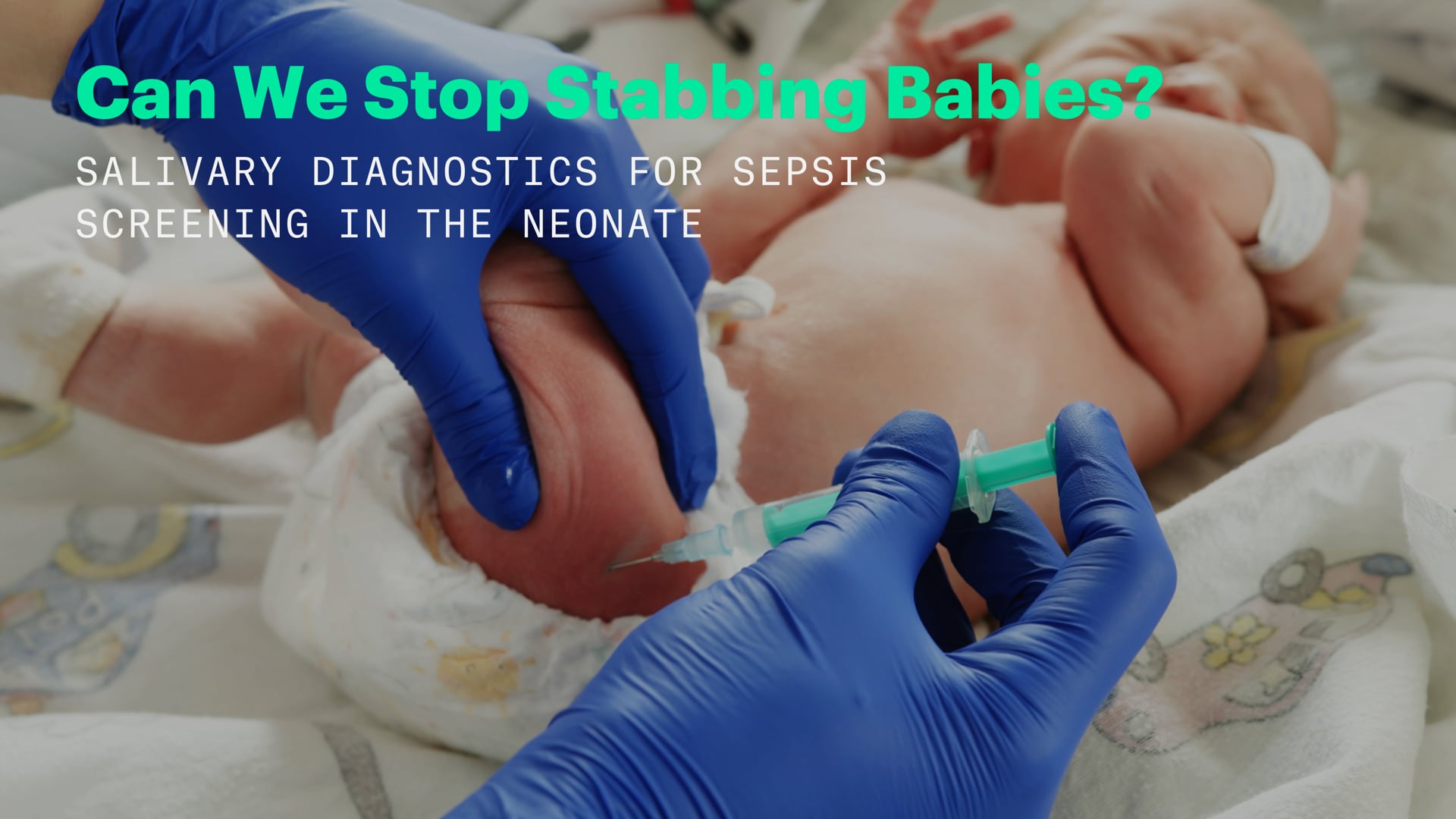
Sepsis is a life-threatening condition, and the third leading cause of neonatal mortality worldwide. In the U.S., there are about 1.75M suspected cases each year, accounting for 60% of NICU admissions. Current sepsis diagnostics rely on painful blood draws that can take days to deliver results – often leading to unnecessary antibiotic use.
To address this challenge, we’re creating NeoSense, which is a faster, gentler way to detect sepsis in newborns. NeoSense uses a tiny sample of saliva instead of blood, powered by advanced single-molecule detection and AI. This could allow doctors to quickly and accurately identify sepsis in newborns, without the wait or the need to use needles.
The development of NeoSense is driven by a unique collaboration between Wyss Core Faculty member David Walt, Ph.D., and Jill Maron, M.D., MPH, the project’s co-principal investigator and Pediatrician-in-Chief at Women & Infants Hospital of Rhode Island. By combining Walt’s advances in single-molecule detection with Maron’s pioneering clinical research in neonatal health, the team is on a path to translate cutting-edge analytical sensitivity into a test that meets the real-world needs of fragile newborns.
Interested in this technology?
The NeoSense team is currently seeking partners and collaborators to help develop this technology. Get in touch today to learn how you can get involved.